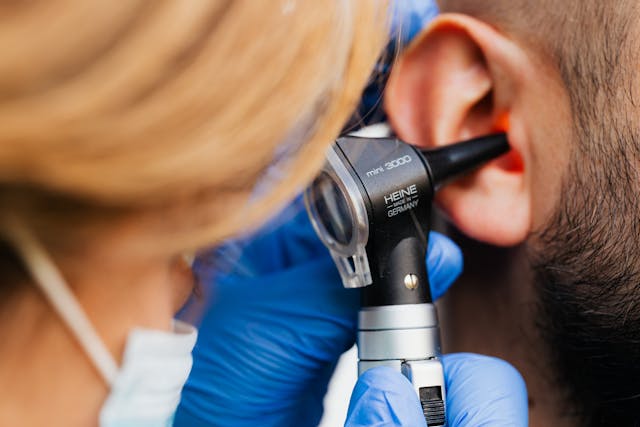
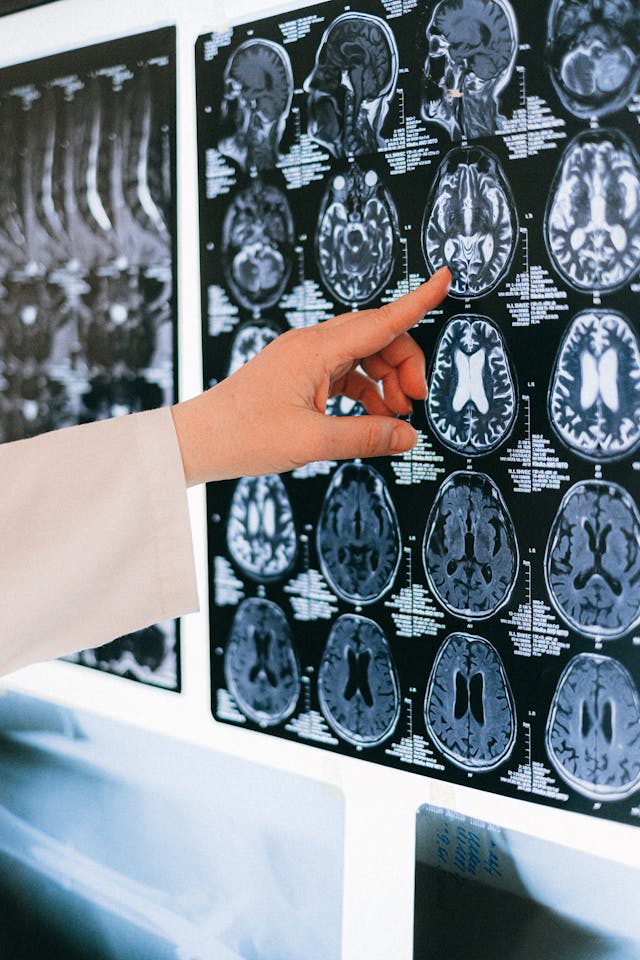
Are You Suffering From Any of These Symptoms as a Result of Tinnitus? Call Today for a Consultation.
■ Mild to severe anxiety
■ Depression
■ Insomnia
■ Negative thinking
■ Triggered fight or flight
■ Crying spells
■ Hopelessness
■ Ringing in the ears
■ Suicidal thoughts
Are you growing more isolated? Do you feel like life will never be the same? Are you refraining from activities that you enjoy? Are you fearful of losing your job? Do you find that your thoughts tend to be negative?
If you answered yes to 3 or more of these questions or symptoms, then we can help. You may be a candidate for Tinnitus Cognitive Retraining Therapy, or TCRT.
With over 20 years of clinical experience, Stephen Geller Katz, LCSW-R (Bio) developed Tinnitus Cognitive Retraining Therapy and founded the Tinnitus Cognitive Center™ in response to the growing number of Tinnitus sufferers coming to his private practice.
He discovered that by helping people to retrain and reinterpret the thoughts around their Tinnitus, anxiety and depression symptoms began to improve. But even more important so did the Tinnitus.
Pulsatile tinnitus symptoms can sometimes signal an underlying medical condition that requires professional attention. Unlike traditional tinnitus, which often sounds like steady ringing or buzzing, pulsatile tinnitus is typically rhythmic and synchronized with the heartbeat. Many people describe it as hearing a pulsing, whooshing, or throbbing sound in one or both ears.
While pulsatile tinnitus is not always dangerous, certain cases may be linked to circulatory, vascular, or neurological issues that should not be ignored. Understanding the symptoms and warning signs can help determine when expert evaluation is necessary.
What Is Pulsatile Tinnitus?
Pulsatile tinnitus is a specific type of tinnitus where the sound follows the rhythm of your heartbeat. People commonly describe the sound as:
Whooshing
Thumping
Pulsing
Heartbeat-like sounds
Rhythmic rushing noises
Unlike non-pulsatile tinnitus, which usually stems from hearing loss or auditory nerve changes, pulsatile tinnitus often involves blood flow or vascular activity near the ear.
How Pulsatile Tinnitus Differs from Regular Tinnitus
Traditional tinnitus is typically caused by abnormal neural activity in the auditory system and often sounds continuous.
Pulsatile tinnitus differs because:
The sound matches the heartbeat rhythm
It may fluctuate with physical activity or position changes
It is more commonly linked to blood vessel or circulation issues
Because vascular factors may be involved, pulsatile tinnitus sometimes requires more urgent medical evaluation.
Common Pulsatile Tinnitus Symptoms
Symptoms vary from person to person but often include:
Rhythmic pulsing in the ear
Hearing a heartbeat-like sound
Symptoms that worsen at night or in quiet environments
Pulsing that becomes stronger during exercise or stress
Sounds affecting one ear more than the other
Some people notice the sound becomes quieter when they apply gentle pressure to the neck or change head position.
Potential Causes of Pulsatile Tinnitus
There are many possible causes of pulsatile tinnitus, ranging from relatively harmless to more serious medical conditions.
1. High Blood Pressure
Elevated blood pressure can increase the force of blood flow through vessels near the ear, making circulation sounds more noticeable. Stress and anxiety may also temporarily increase blood pressure and worsen symptoms.
2. Blood Vessel Abnormalities
Changes in nearby arteries or veins can create turbulent blood flow that becomes audible.
Possible vascular causes include:
Narrowed arteries
Vascular malformations
Aneurysms
Abnormal blood vessel connections
3. Increased Intracranial Pressure
Conditions involving elevated pressure inside the skull may contribute to pulsatile tinnitus.
Symptoms may also include:
Headaches
Visual disturbances
Dizziness
4. Middle Ear Conditions
Certain ear-related issues may amplify internal body sounds.
Examples include:
Middle ear infections
Eustachian tube dysfunction
Abnormal middle ear muscle activity
5. Anemia or Thyroid Disorders
Conditions that increase blood circulation or metabolic activity may sometimes trigger pulsatile tinnitus symptoms.
When Pulsatile Tinnitus Could Be Serious
Although many cases are not life-threatening, some symptoms should prompt immediate medical evaluation.
Seek professional care if pulsatile tinnitus:
Starts suddenly
Occurs in only one ear
Is accompanied by dizziness or balance problems
Occurs alongside vision changes
Is associated with severe headaches
Becomes progressively louder or more frequent
Because vascular or neurological conditions may be involved, proper testing is important.
How Specialists Evaluate Pulsatile Tinnitus
A medical evaluation may involve:
Hearing tests
Blood pressure assessment
Imaging studies such as MRI or CT scans
Vascular evaluations
Review of neurological symptoms
The goal is to identify or rule out underlying circulatory or structural causes.
Treatment Options for Pulsatile Tinnitus
Treatment depends on the underlying cause.
Potential approaches include:
Managing blood pressure
Treating vascular conditions
Addressing ear-related disorders
Stress reduction techniques
Cognitive therapy to reduce tinnitus distress
Even when the physical cause cannot be fully eliminated, many patients benefit from therapies that reduce emotional distress and improve coping ability.
The Emotional Impact of Pulsatile Tinnitus
Because pulsatile tinnitus often feels unusual and alarming, many people develop anxiety surrounding the symptom.
This can lead to:
Hyperfocus on the sound
Sleep problems
Stress-related symptom worsening
Difficulty concentrating
Therapeutic approaches that calm the nervous system and reduce fear responses can significantly improve quality of life.
Summary
Pulsatile tinnitus symptoms differ from traditional tinnitus because the sound follows the rhythm of the heartbeat and is often linked to blood flow or vascular activity. While some cases are harmless, others may involve medical conditions that require evaluation. Sudden onset symptoms, one-sided pulsing, headaches, dizziness, or neurological symptoms should never be ignored.
Early medical assessment can help identify the cause and guide appropriate treatment. In many cases, combining medical care with cognitive and stress-management approaches provides the best long-term relief.
Professional Tinnitus Support Available Online
The Tinnitus Cognitive Center™ offers specialized online therapy focused on helping individuals reduce the emotional and psychological impact of tinnitus through evidence-based cognitive retraining techniques.
Sessions are available throughout NYC, the tri-state area, and internationally.
Tinnitus therapy NYC searches continue to grow as more people seek effective ways to reduce the constant ringing, buzzing, or hissing sounds associated with tinnitus. For many individuals, tinnitus is more than just an ear problem—it affects sleep, concentration, emotional health, and overall quality of life. While there is currently no universal cure for tinnitus, cognitive treatment approaches have become one of the most effective and research-supported ways to reduce symptoms and regain control.
This article explains how cognitive therapy works for tinnitus, why it helps reduce distress, and why many NYC patients are turning to these evidence-based approaches for long-term relief.
Understanding Tinnitus and the Brain
Tinnitus occurs when the brain perceives sound without an external source. Although it often begins with hearing damage or auditory system changes, the brain plays a major role in how tinnitus is experienced.
Tinnitus may sound like:
Ringing
Buzzing
Hissing
Clicking
Roaring
For some people, the sound becomes emotionally overwhelming because the brain starts treating tinnitus as a threat or danger signal.
This creates a cycle:
Tinnitus becomes noticeable
The brain reacts with stress or fear
Attention becomes focused on the sound
Tinnitus feels louder and more intrusive
Cognitive treatment aims to interrupt this cycle.
What Is Cognitive Therapy for Tinnitus?
Cognitive therapy for tinnitus focuses on changing how the brain responds emotionally and psychologically to tinnitus sounds.
Rather than trying to eliminate the sound completely, cognitive approaches help patients:
Reduce emotional distress
Lower anxiety and hyperfocus
Improve sleep and concentration
Train the brain to treat tinnitus as non-threatening
Over time, many individuals experience habituation, meaning the tinnitus becomes much less noticeable.
How Cognitive Behavioral Therapy (CBT) Helps
CBT is one of the most studied tinnitus treatments available today. CBT works by identifying and changing negative thought patterns related to tinnitus.
Examples include:
“This ringing will ruin my life.”
“I’ll never be able to sleep again.”
“I can’t handle this sound.”
Therapy helps replace these thoughts with more balanced responses, reducing fear and emotional reactivity.
Benefits of CBT for tinnitus include:
Reduced anxiety and panic
Better emotional coping
Improved focus and daily functioning
Less distress associated with ear ringing
Importantly, CBT changes the brain’s relationship to tinnitus—even if the sound itself remains present.
Cognitive Retraining and Habituation
Cognitive retraining therapy focuses on helping the brain stop prioritizing tinnitus signals. The brain constantly filters sensory information. Normally, unimportant sounds fade into the background automatically. However, when tinnitus is linked with stress or fear, the brain continues monitoring it closely.
Cognitive retraining helps:
Reduce hyper-awareness of tinnitus
Decrease emotional responses
Promote habituation over time
Improve resilience to flare-ups
As habituation develops, tinnitus often feels softer, less intrusive, and easier to ignore.
Stress Reduction and Nervous System Regulation
Stress is one of the biggest tinnitus amplifiers.
Cognitive treatment often includes strategies to calm the nervous system, such as:
Mindfulness exercises
Relaxation training
Breathing techniques
Sleep improvement strategies
Reducing stress helps lower the brain’s sensitivity to tinnitus and decreases symptom intensity for many patients.
Why NYC Patients Benefit from Online Tinnitus Therapy
Busy NYC lifestyles often make chronic stress and sleep problems worse, both of which can intensify tinnitus.
Online tinnitus therapy offers several advantages:
Convenient access from home
Flexible scheduling
Reduced commuting stress
Access to specialized tinnitus-focused care
Virtual sessions also allow patients throughout the NYC tri-state area and internationally to receive expert support regardless of location.
Who Should Consider Cognitive Treatment for Tinnitus?
Cognitive therapy may help if tinnitus is:
Interfering with sleep
Causing anxiety or panic
Making concentration difficult
Creating emotional distress
Leading to frustration or hopelessness
Many people who previously felt overwhelmed by tinnitus experience major improvement with structured cognitive approaches.
Summary
Tinnitus therapy NYC options increasingly focus on cognitive treatment because of its strong success in reducing tinnitus distress. By helping the brain reinterpret tinnitus as a neutral sound rather than a threat, therapies such as CBT and cognitive retraining reduce anxiety, improve sleep, and promote habituation. Although tinnitus may not disappear entirely, cognitive treatment often makes it far less disruptive and easier to manage in daily life.
For many people, the key to tinnitus relief lies not only in the ears—but in changing how the brain responds to the sound.
Specialized Online Tinnitus Therapy Available Worldwide
The Tinnitus Cognitive Center™ offers specialized online therapy designed to help individuals manage tinnitus through evidence-based cognitive retraining techniques. Sessions are available throughout NYC, the tri-state area, and internationally.
Stephen Geller Katz LCSW speaks five languages and works with patients around the world to reduce tinnitus-related stress and improve quality of life.
Ringing in the ears causes concern for millions of people, especially in busy urban environments like New York City where noise exposure, stress, and fast-paced lifestyles can all contribute to tinnitus symptoms. Ringing in the ears—commonly known as tinnitus—is not a disease itself, but rather a symptom of an underlying issue affecting the auditory system, nervous system, or overall health.
Understanding the most common causes of tinnitus can help NYC patients recognize when to seek professional care and what steps may help reduce symptoms.
What Is Ringing in the Ears?
Ringing in the ears refers to hearing sounds that are not caused by an external source. While many people describe it as “ringing,” tinnitus can also sound like:
Buzzing
Hissing
Clicking
Roaring
Static noise
Pulsing sounds
Symptoms may come and go or remain constant, and severity can range from mild to highly disruptive.
1. Noise Exposure and Hearing Damage
One of the leading ringing in the ears causes is exposure to loud noise.
In NYC, common sources include:
Subway and traffic noise
Construction sites
Concerts and nightlife venues
Headphones at high volume
Loud sounds can damage delicate hair cells inside the inner ear. Once these cells are injured, the brain may compensate by generating phantom sounds, resulting in tinnitus.
2. Age-Related Hearing Loss
As people age, hearing naturally declines. This process, known as presbycusis, is closely associated with tinnitus.
Age-related hearing changes can lead to:
Reduced sound input to the brain
Increased neural activity in auditory pathways
Greater awareness of internal sounds
Many adults over age 60 experience both hearing loss and ringing in the ears together.
3. Stress and Anxiety
Stress does not directly create tinnitus in every case, but it can strongly influence how noticeable and distressing it becomes.
Stress-related effects include:
Heightened nervous system activity
Increased sensitivity to sound
Greater focus on internal noises
Sleep disruption that worsens tinnitus perception
In high-stress environments like NYC, many people report tinnitus flare-ups during periods of emotional pressure or exhaustion.
4. Earwax Blockage and Ear Conditions
Sometimes ringing in the ears is caused by relatively simple physical issues affecting the ear canal.
Modern research shows tinnitus involves not only the ears but also the brain’s auditory and emotional processing systems.
The brain may:
Increase neural activity after hearing damage
Become hyper-focused on internal sounds
Associate tinnitus with stress or threat responses
This explains why emotional reactions often influence how severe tinnitus feels.
When NYC Patients Should Seek Professional Help
It’s important to seek professional evaluation if tinnitus:
Lasts longer than several weeks
Occurs in only one ear
Interferes with sleep or concentration
Occurs with hearing loss or dizziness
Sounds pulsatile or rhythmic
Early assessment can help identify underlying causes and reduce long-term distress.
Summary
Ringing in the ears causes vary widely, from noise exposure and hearing loss to stress, circulatory issues, and neurological changes. In NYC, environmental noise and high stress levels may further contribute to tinnitus symptoms. Because tinnitus often involves both physical and emotional components, effective treatment usually requires a comprehensive approach that addresses hearing health, stress management, and cognitive response patterns.
Understanding the cause of tinnitus is often the first step toward reducing its impact and improving quality of life.
Professional Online Tinnitus Therapy for NYC Patients
The Tinnitus Cognitive Center™ provides specialized online therapy focused on helping individuals manage tinnitus through evidence-based cognitive retraining techniques. Sessions are available throughout NYC, the tri-state area, and internationally.
Stephen Geller Katz LCSW speaks five languages and works with patients worldwide to reduce tinnitus-related distress and improve daily functioning.
Tinnitus specialist NYC searches are becoming increasingly common as more people experience persistent ringing, buzzing, or hissing sounds in their ears and look for professional help. While occasional ear ringing may be temporary, chronic tinnitus can interfere with sleep, concentration, emotional health, and overall quality of life. Knowing when to seek expert care is essential for identifying potential causes and finding effective ways to manage symptoms.
This guide explains the warning signs that indicate it’s time to see a tinnitus specialist, what causes tinnitus, and the treatment options available for long-term relief.
What Is Tinnitus?
Tinnitus is the perception of sound without an external source. The sounds may vary from person to person and can include:
Ringing
Buzzing
Clicking
Hissing
Roaring
Pulsing sounds
Some individuals hear tinnitus constantly, while others notice it only occasionally or in quiet environments.
Common Causes of Ear Ringing
Tinnitus can have many underlying causes, which is why professional evaluation is important.
Frequent causes include:
Noise-induced hearing damage
Age-related hearing loss
Stress and anxiety
Ear infections or wax buildup
Jaw problems such as TMJ disorders
Certain medications
Circulatory or neurological conditions
In many cases, tinnitus involves both hearing system changes and brain-related processing patterns.
When Should You See a Tinnitus Specialist?
Not every case of tinnitus requires urgent medical attention, but certain symptoms should never be ignored.
1. Tinnitus Lasts More Than a Few Weeks
Temporary tinnitus after a loud concert or noise exposure may fade within hours or days. However, persistent tinnitus lasting several weeks or longer should be evaluated professionally.
Although serious causes are uncommon, proper evaluation is important.
4. You Hear Pulsing or Rhythmic Sounds
Pulsatile tinnitus, where the sound follows your heartbeat, may sometimes involve blood vessel or circulation issues.
Potential causes include:
High blood pressure
Blood flow abnormalities
Vascular conditions
Changes in intracranial pressure
This type of tinnitus should be evaluated promptly by a specialist.
5. Tinnitus Is Accompanied by Hearing Loss or Dizziness
If tinnitus occurs alongside:
Sudden hearing loss
Dizziness or vertigo
Balance problems
Ear pressure or fullness
you should seek medical care quickly. These symptoms may point to inner ear or neurological conditions requiring treatment.
What Does a Tinnitus Specialist Do?
A tinnitus specialist evaluates both the physical and emotional components of tinnitus.
Assessment may include:
Hearing tests
Medical history review
Discussion of stress and lifestyle factors
Evaluation of emotional impact
Recommendations for personalized treatment strategies
Because tinnitus affects both the auditory system and the brain’s emotional centers, treatment often involves multiple approaches.
Effective Treatment Options for Tinnitus
Modern tinnitus treatment focuses on reducing awareness and emotional distress rather than simply masking the sound.
Common therapies include:
Cognitive Behavioral Therapy (CBT): Helps reduce anxiety and negative reactions related to tinnitus.
Cognitive Retraining Therapy: Helps the brain reinterpret tinnitus as a neutral sound.
Sound Therapy: Uses background sounds to reduce tinnitus awareness.
Stress Management: Relaxation techniques and mindfulness help calm the nervous system.
Sleep Support: Better sleep habits often reduce tinnitus intensity.
Many individuals experience significant improvement with structured treatment plans.
Why Early Intervention Matters
The longer tinnitus goes untreated, the more deeply the brain may associate it with stress and emotional distress. This can strengthen the tinnitus feedback loop and make symptoms feel more intrusive.
Seeking help early can:
Reduce anxiety about tinnitus
Improve coping ability
Promote habituation
Prevent worsening emotional distress
Early support often leads to better long-term management.
Summary
Tinnitus specialist NYC searches reflect a growing awareness that persistent ear ringing should not simply be ignored. While tinnitus is common, symptoms that last for weeks, interfere with daily life, occur in one ear, or involve pulsing sounds deserve professional evaluation. Modern tinnitus care combines hearing assessment, cognitive therapy, sound therapy, and stress management to help patients regain control over their lives.
The sooner you seek expert guidance, the sooner you can begin reducing the impact tinnitus has on your well-being.
Expert Online Tinnitus Therapy Available Worldwide
The Tinnitus Cognitive Center™ provides specialized online therapy designed to help individuals manage tinnitus through evidence-based cognitive retraining approaches. Sessions are available throughout NYC, the tri-state area, and internationally.
Stephen Geller Katz LCSW speaks five languages and works with patients worldwide to reduce tinnitus-related stress and improve quality of life.
Tinnitus treatment NYC searches continue to rise as more people seek relief from persistent ringing, buzzing, hissing, or clicking sounds in their ears. Tinnitus affects millions of individuals and can range from mildly distracting to severely disruptive. For many people in New York City and the surrounding tri-state area, finding the right tinnitus treatment can significantly improve sleep, concentration, emotional well-being, and overall quality of life.
This guide explores the best options available for tinnitus relief, including modern therapies, lifestyle strategies, and evidence-based approaches that help reduce the impact of tinnitus symptoms.
What Is Tinnitus?
Tinnitus is the perception of sound without an external source. People commonly describe it as:
Ringing
Buzzing
Hissing
Roaring
Static-like noise
Tinnitus itself is not a disease. Instead, it is usually a symptom connected to hearing loss, noise exposure, stress, or other underlying conditions.
Common Causes of Tinnitus
Understanding the cause of tinnitus is often the first step toward effective treatment.
Common tinnitus triggers include:
Noise-induced hearing loss
Age-related hearing decline
Stress and anxiety
Ear infections or wax buildup
Temporomandibular joint (TMJ) disorders
Certain medications
Circulatory or neurological conditions
Because tinnitus can have multiple contributing factors, treatment is often personalized.
Best Tinnitus Treatment Options in NYC
New York City offers access to a wide range of tinnitus treatment approaches. The most effective plans often combine several therapies together.
1. Cognitive Behavioral Therapy (CBT)
CBT is one of the most researched and effective treatments for tinnitus distress. Rather than eliminating the sound itself, CBT helps reduce the emotional and psychological reaction to tinnitus.
Benefits include:
Reduced anxiety and stress
Improved sleep
Better concentration
Less emotional distress related to ear ringing
CBT teaches patients how to reframe negative thoughts and reduce hyperfocus on tinnitus.
2. Cognitive Retraining Therapy
Cognitive retraining focuses on helping the brain reinterpret tinnitus as a neutral sound rather than a threat.
This process helps promote:
Habituation to tinnitus
Reduced awareness of ear ringing
Lower emotional reactivity
Improved quality of life
Over time, many individuals report that tinnitus becomes far less intrusive.
3. Sound Therapy and Masking
Sound therapy introduces external sounds to reduce the contrast between tinnitus and silence.
Popular options include:
White noise machines
Nature sounds
Sound therapy apps
Hearing aids with masking features
These methods can be especially helpful at night when tinnitus often feels louder.
4. Hearing Aids for Tinnitus
Because tinnitus is commonly associated with hearing loss, hearing aids can provide significant relief.
Hearing aids may help by:
Amplifying external sounds
Reducing focus on tinnitus
Improving communication and hearing clarity
Many modern hearing aids now include integrated tinnitus therapy features.
5. Stress Reduction and Relaxation Techniques
Stress and tinnitus are closely connected. Managing stress can help reduce symptom intensity.
Helpful approaches include:
Mindfulness meditation
Breathing exercises
Yoga and gentle exercise
Sleep improvement strategies
Reducing nervous system activation often decreases tinnitus awareness.
Why Early Treatment Matters
Many people delay seeking tinnitus treatment, hoping symptoms will disappear on their own. However, untreated tinnitus can sometimes lead to:
Sleep disruption
Chronic anxiety
Difficulty concentrating
Depression or emotional exhaustion
Early intervention often improves long-term outcomes and helps prevent tinnitus from becoming deeply distressing.
Can Tinnitus Be Completely Cured?
There is currently no universal cure for tinnitus, but many people experience significant relief through proper treatment. Modern approaches focus on reducing the perception and emotional burden of tinnitus rather than simply masking the sound.
For many patients, the goal is successful habituation—where tinnitus becomes much less noticeable and no longer dominates daily life.
Summary
Tinnitus treatment NYC options continue to expand as research improves our understanding of ringing in the ears and how the brain processes sound. From cognitive retraining therapy and CBT to sound therapy and hearing support, many effective approaches can reduce tinnitus distress and improve quality of life.
Because tinnitus affects both hearing and emotional well-being, the best results often come from comprehensive, individualized treatment plans.
Seeking professional help early can make a major difference in how manageable tinnitus becomes over time.
Professional Online Tinnitus Therapy Available Worldwide
The Tinnitus Cognitive Center™ offers specialized online therapy designed to help individuals manage tinnitus using evidence-based cognitive retraining techniques. All sessions are conducted online, making care accessible throughout NYC, the tri-state area, and internationally.
Stephen Geller Katz LCSW speaks five languages and works with patients around the world to reduce the emotional and psychological impact of tinnitus.
When to see a specialist for tinnitus is an important question many people ask after experiencing ringing, buzzing, or hissing sounds in their ears. While tinnitus is often temporary and harmless, certain symptoms should not be ignored. Understanding when tinnitus may signal a deeper issue—and when professional care is needed—can help protect your hearing, reduce distress, and ensure appropriate treatment.
This guide explains the warning signs that indicate it’s time to seek medical or therapeutic evaluation for tinnitus.
Understanding Tinnitus
Tinnitus is the perception of sound without an external source. It can present as:
Ringing
Buzzing
Hissing
Clicking
Roaring
For some individuals, tinnitus appears briefly after exposure to loud noise and fades within hours or days. For others, it becomes persistent and interferes with sleep, concentration, and emotional well-being.
While many cases are benign, certain patterns of tinnitus require medical attention.
1. Tinnitus That Lasts More Than a Few Weeks
If tinnitus persists for several weeks or longer, it’s important to consult a specialist. Persistent tinnitus may indicate:
Underlying hearing loss
Damage to the inner ear
Circulatory issues
Medication side effects
A hearing evaluation and medical assessment can identify potential causes and guide treatment options.
2. Sudden Onset of Tinnitus
Sudden tinnitus—especially when it appears without an obvious trigger—should be evaluated promptly.
Sudden tinnitus may occur alongside:
Sudden hearing loss
Ear pressure or fullness
Dizziness or vertigo
Immediate medical attention is important in these cases, as early treatment may improve outcomes.
3. Tinnitus in Only One Ear
Tinnitus that occurs in just one ear (unilateral tinnitus) should always be examined by a healthcare professional.
Possible causes may include:
Localized hearing damage
Middle ear disorders
Acoustic neuroma (a benign nerve tumor)
Structural abnormalities
Although serious causes are rare, evaluation ensures nothing significant is overlooked.
4. Pulsing or Rhythmic Tinnitus
If the sound in your ear seems to pulse in rhythm with your heartbeat, it may be pulsatile tinnitus.
Pulsatile tinnitus can sometimes be related to:
High blood pressure
Blood vessel abnormalities
Circulatory conditions
Increased intracranial pressure
Because vascular conditions may be involved, pulsatile tinnitus should be medically evaluated.
5. Tinnitus That Interferes with Daily Life
Even if tinnitus is not linked to a serious medical issue, it can still have a major impact on quality of life.
You should consider professional help if tinnitus:
Disrupts sleep
Interferes with concentration
Causes anxiety or emotional distress
Leads to social withdrawal
Therapeutic approaches can help reduce the emotional and cognitive burden associated with tinnitus.
6. Tinnitus After a Head or Neck Injury
Tinnitus following a concussion, head injury, or neck trauma may indicate damage to auditory pathways or related structures.
If tinnitus appears after injury and persists, a medical evaluation is recommended to assess potential neurological or structural causes.
7. Tinnitus Accompanied by Other Symptoms
Certain combinations of symptoms require prompt attention. Seek medical advice if tinnitus occurs along with:
Severe dizziness or vertigo
Balance problems
Ear pain or drainage
Rapid hearing loss
These symptoms may signal underlying ear or neurological conditions that need evaluation.
What to Expect During a Tinnitus Evaluation
A tinnitus assessment typically includes:
A detailed medical history
A hearing test conducted by an audiologist
A physical examination of the ear
Additional imaging or tests if necessary
The goal is to determine whether tinnitus is linked to hearing loss, a medical condition, or neurological factors.
Summary
Knowing when to see a specialist for tinnitus can help ensure early diagnosis and appropriate management. Persistent tinnitus, sudden onset symptoms, unilateral ringing, pulsatile sounds, or tinnitus that disrupts daily life should not be ignored. Even when tinnitus is not medically dangerous, professional support can greatly improve quality of life and reduce distress.
Seeking help early allows you to better understand the cause of tinnitus and explore effective strategies to manage it.
Support for Managing Tinnitus
If tinnitus is interfering with your daily life, specialized support can help. The Tinnitus Cognitive Center™ provides online therapy designed to help individuals manage tinnitus through cognitive retraining techniques that address both the emotional and perceptual aspects of the condition.
All sessions are conducted online, allowing patients from around the world to receive personalized care.
The impact of diet and lifestyle on tinnitus symptoms is an important topic for anyone experiencing ringing, buzzing, or hissing sounds in their ears. While tinnitus is often linked to hearing loss or noise exposure, research shows that daily habits—what you eat, how you sleep, and how you manage stress—can influence how noticeable or bothersome tinnitus becomes. Understanding these factors can help you take practical steps to reduce flare-ups and improve overall well-being.
How Lifestyle Factors Influence Tinnitus
Tinnitus is not just an ear condition—it also involves the brain, nervous system, and circulatory system. Because of this, lifestyle factors that affect these systems can also influence tinnitus intensity.
Common lifestyle influences include:
Stress levels
Sleep quality
Dietary habits
Exercise and circulation
Substance use such as caffeine or nicotine
Making adjustments in these areas may help reduce the severity or frequency of tinnitus symptoms for some individuals.
Foods That May Affect Tinnitus
Diet can impact blood flow, nerve function, and inflammation—all of which may influence tinnitus perception.
1. High-Sodium Foods
Excess sodium can affect fluid balance and blood pressure, potentially worsening tinnitus symptoms. Common high-sodium foods include:
Processed snacks
Canned soups
Fast food
Deli meats
Reducing sodium intake may help stabilize inner ear fluid pressure and circulation.
2. Caffeine
Caffeine is a stimulant that affects the central nervous system. Some people report increased tinnitus after consuming coffee, tea, or energy drinks. However, responses vary. For some individuals caffeine has little effect, while others notice a clear increase in tinnitus intensity.
3. Alcohol
Alcohol can temporarily alter blood circulation and nerve activity, which may increase tinnitus awareness in certain individuals.
Moderation is often recommended if alcohol seems to trigger symptoms.
4. Sugar and Processed Foods
High sugar consumption may influence blood glucose levels and circulation. Some tinnitus sufferers report improvement when reducing highly processed foods and refined sugars.
Nutrients That May Support Ear and Brain Health
While no diet can cure tinnitus, certain nutrients support healthy hearing and neurological function.
Magnesium: May support nerve health and protect against noise-related hearing damage.
Zinc: Plays a role in immune and nerve function.
Omega-3 fatty acids: Support cardiovascular health and circulation.
B vitamins: Important for nerve signaling and brain function.
A balanced diet rich in vegetables, fruits, lean proteins, and whole grains supports overall health—including the systems involved in tinnitus.
The Role of Stress in Tinnitus Symptoms
Stress is one of the most commonly reported tinnitus triggers. When stress levels rise, the nervous system becomes more alert, increasing sensitivity to internal sounds.
Stress can lead to:
Heightened awareness of tinnitus
Muscle tension in the neck and jaw
Sleep disturbances
Increased anxiety about tinnitus
Managing stress through relaxation techniques can significantly reduce tinnitus distress.
Sleep and Tinnitus
Poor sleep can make tinnitus feel louder and more intrusive. Fatigue increases the brain’s sensitivity to sensory input, including internal sounds.
Healthy sleep habits include:
Maintaining a consistent sleep schedule
Reducing screen time before bed
Using sound enrichment like white noise at night
Creating a calm, dark sleeping environment
Improving sleep quality often helps reduce tinnitus intensity during the day.
Exercise and Circulation
Regular physical activity supports cardiovascular health and blood circulation, which can benefit the auditory system.
Exercise may help:
Improve oxygen delivery to the inner ear
Reduce stress hormones
Enhance mood and sleep quality
Even moderate activities such as walking, swimming, or cycling can have positive effects on overall well-being.
Habits That May Worsen Tinnitus
Certain habits may aggravate tinnitus symptoms:
Smoking or nicotine use
Chronic sleep deprivation
Excessive noise exposure
High stress levels
Addressing these factors can sometimes reduce symptom severity.
Summary
The impact of diet and lifestyle on tinnitus symptoms can be significant. While these factors do not cause tinnitus in every case, they often influence how noticeable or distressing the condition becomes. Managing stress, improving sleep habits, maintaining a balanced diet, exercising regularly, and avoiding potential triggers can help reduce tinnitus flare-ups and improve quality of life.
Because tinnitus affects both the auditory system and the brain, effective management often involves a combination of lifestyle adjustments and structured therapeutic approaches.
Professional Support for Managing Tinnitus
For individuals seeking additional support in managing tinnitus symptoms, structured therapy can help reduce the emotional and cognitive impact of the condition. The Tinnitus Cognitive Center™ offers specialized online therapy focused on cognitive retraining techniques designed to help people reduce tinnitus distress and improve daily functioning.
All sessions are conducted online, allowing patients from around the world to receive personalized care.
Exploring the role of the brain in tinnitus helps explain why people hear ringing, buzzing, or hissing sounds even when no external sound exists. While tinnitus often begins with damage in the ear—such as hearing loss or noise exposure—the brain plays a central role in generating and maintaining tinnitus symptoms. One of the key scientific concepts behind this process is neuroplasticity, the brain’s ability to reorganize and adapt its neural connections. Understanding neuroplasticity can help explain both why tinnitus occurs and how certain therapies can help manage it.
What Is Neuroplasticity?
Neuroplasticity refers to the brain’s remarkable ability to change and adapt throughout life. The brain constantly rewires itself based on experiences, learning, injuries, and sensory input. Examples of neuroplasticity include:
Learning a new language or skill
Recovering function after brain injury
Adapting to sensory changes such as hearing loss
While neuroplasticity is usually beneficial, in tinnitus it can sometimes lead to maladaptive changes that reinforce the perception of phantom sounds.
How the Brain Creates the Experience of Tinnitus
The auditory system involves far more than just the ears. Sound travels through multiple brain regions responsible for perception, attention, and emotional processing. When hearing damage occurs, the brain receives reduced input from the ear. In response, it attempts to compensate.
This compensation may involve:
Increasing neural activity in the auditory cortex
Amplifying weak sound signals
Reorganizing neural circuits related to sound processing
These changes can produce spontaneous neural firing, which the brain interprets as sound—even when no sound is present.
The Auditory Cortex and Tinnitus
The auditory cortex, located in the temporal lobe, plays a major role in tinnitus perception. When hearing loss occurs, certain frequency regions of the auditory cortex become deprived of input.
Research suggests that these areas may:
Become hyperactive
Develop abnormal synchronization between neurons
Expand into neighboring frequency regions
This hyperactivity is believed to contribute to the constant perception of tinnitus sounds.
The Limbic System: Why Tinnitus Feels Distressing
Tinnitus is not just a hearing phenomenon—it also involves the limbic system, which regulates emotions such as fear, stress, and anxiety.
When tinnitus first appears, the brain may interpret it as a potential threat. The limbic system can then trigger emotional responses like:
Anxiety
Frustration
Hypervigilance
These emotional reactions strengthen neural attention toward tinnitus, making it seem louder and more intrusive.
Neuroplasticity and the Tinnitus Feedback Loop
Because of neuroplasticity, repeated focus on tinnitus can reinforce neural pathways that keep the sound prominent in consciousness.
This creates a feedback loop:
Tinnitus sound appears
The brain labels it as important or threatening
Attention and stress increase
Neural circuits strengthen the tinnitus perception
Over time, this cycle can make tinnitus feel persistent even if the original ear damage remains unchanged.
How Neuroplasticity Can Help Reduce Tinnitus
The same neuroplasticity that contributes to tinnitus can also help reduce its impact. Many tinnitus therapies aim to retrain the brain to interpret tinnitus as a neutral, unimportant signal.
Methods that use neuroplasticity for treatment include:
Sound therapy that introduces background noise
Cognitive behavioral approaches that reduce emotional reactions
Attention-shifting techniques that reduce focus on tinnitus
Relaxation and mindfulness training
Over time, the brain can learn to filter tinnitus out of conscious awareness, similar to how it ignores everyday background sounds like a refrigerator hum.
The Process of Habituation
A key goal of many tinnitus treatments is habituation. Habituation occurs when the brain stops treating tinnitus as a significant stimulus.
This process involves:
Reduced emotional reaction
Less attention directed toward the sound
Improved ability to focus on other activities
When habituation occurs, tinnitus may still exist, but it becomes far less noticeable and disruptive.
Summary
Exploring the role of the brain in tinnitus reveals how neuroplasticity influences both the development and management of this condition. When hearing damage reduces sensory input, the brain compensates by increasing neural activity, which can produce phantom sounds. Emotional responses and attention further strengthen these neural patterns. However, the brain’s plasticity also offers hope. Through sound therapy, cognitive strategies, and stress reduction techniques, neural pathways can gradually change, allowing tinnitus to fade into the background of daily life.
Understanding the brain’s involvement helps explain why tinnitus treatment often focuses on retraining the brain rather than simply trying to eliminate the sound.
Support for Brain-Based Tinnitus Treatment
For individuals seeking structured help managing tinnitus, specialized therapy can guide the brain through the process of habituation. The Tinnitus Cognitive Center™ offers online therapy sessions focused on cognitive retraining approaches designed to reduce the emotional and perceptual impact of tinnitus.
All sessions are conducted online, and patients from around the world can receive personalized care.
How to sleep better when you have tinnitus is one of the most common questions people ask after developing ringing, buzzing, or hissing sounds in their ears. Tinnitus often becomes most noticeable at night when the environment is quiet and distractions disappear. As a result, many individuals struggle with insomnia, frequent awakenings, or difficulty falling asleep. Fortunately, there are practical strategies that can significantly improve sleep quality—even if tinnitus is present.
In this guide, we’ll explore why tinnitus affects sleep and the most effective techniques that actually help people rest more comfortably.
Why Tinnitus Often Feels Worse at Night
Many tinnitus sufferers notice their symptoms intensify when they lie down to sleep. This happens for several reasons:
Silence increases awareness: In quiet environments, there are fewer external sounds to compete with tinnitus.
Reduced distractions: When the mind slows down, attention shifts toward internal sensations.
Stress and fatigue: Anxiety about sleep or the next day can make tinnitus feel louder.
Heightened brain sensitivity: Lack of sleep can increase the brain’s perception of internal noise.
Understanding this pattern is important because improving sleep often requires changing the environment, habits, and mental response to tinnitus.
1. Use Sound Enrichment at Night
Complete silence tends to amplify tinnitus. Introducing gentle background sound can help reduce contrast between tinnitus and the environment.
Effective sound options include:
White noise machines
Soft nature sounds such as rainfall or ocean waves
Fans or air purifiers that create consistent background noise
The goal is not to drown out tinnitus completely, but to blend it with other soothing sounds, making it less noticeable.
2. Create a Consistent Sleep Routine
Regular sleep habits train the brain to wind down more easily.
Helpful sleep hygiene strategies include:
Going to bed and waking up at the same time every day
Avoiding screens for at least an hour before bedtime
Keeping the bedroom dark, cool, and comfortable
Limiting caffeine and alcohol in the evening
Consistency strengthens your natural circadian rhythm, making it easier to fall asleep even with tinnitus.
3. Practice Relaxation Techniques Before Bed
Stress and anxiety can intensify tinnitus perception. Relaxation techniques help calm the nervous system and reduce mental focus on the sound.
Effective methods include:
Deep breathing exercises
Progressive muscle relaxation
Guided meditation
Mindfulness techniques
These practices help shift your brain from an alert state to a restful one.
4. Avoid “Trying Too Hard” to Sleep
Ironically, worrying about sleep often makes insomnia worse. When people focus intensely on falling asleep, their brain stays alert.
Instead:
Focus on relaxing rather than forcing sleep.
If you can’t sleep after about 20 minutes, get up briefly and do something calming.
Return to bed when you feel sleepy again.
Reducing performance pressure around sleep helps your brain relax.
5. Limit Stimulants That Can Worsen Tinnitus
Certain substances may make tinnitus more noticeable for some individuals. Common triggers include:
Caffeine
Nicotine
Alcohol
High-sodium foods
While not everyone is sensitive to these triggers, reducing them—especially in the evening—can improve both tinnitus and sleep quality.
6. Consider Cognitive Therapy Approaches
When tinnitus significantly disrupts sleep, cognitive therapy approaches can be extremely helpful. These therapies focus on:
Changing negative thought patterns about tinnitus
Reducing anxiety related to nighttime silence
Teaching the brain to treat tinnitus as a neutral background sound
Over time, this process helps the brain habituate, meaning tinnitus becomes less intrusive and easier to ignore.
7. Keep the Bedroom a Calm Environment
Your bedroom should signal relaxation to your brain. Helpful adjustments include:
Comfortable bedding and pillows
Low lighting before sleep
A cool room temperature
A consistent pre-sleep wind-down routine
Small environmental improvements can make a big difference in sleep quality.
Summary
Tinnitus can make falling asleep difficult, but the right strategies can greatly improve your rest. Using sound enrichment, maintaining consistent sleep habits, practicing relaxation techniques, and addressing the emotional response to tinnitus are all proven ways to sleep better. While tinnitus may not disappear overnight, these methods help reduce its impact and allow the brain to gradually tune it out.
Better sleep is possible—and improving your nighttime routine is one of the most powerful steps you can take toward managing tinnitus effectively.
Expert Support for Tinnitus and Sleep Problems
If tinnitus is significantly interfering with your sleep or quality of life, professional support can help. The Tinnitus Cognitive Center™ provides specialized online therapy focused on cognitive retraining techniques that help individuals reduce the emotional and perceptual impact of tinnitus.
All sessions are conducted online, and patients from around the world can receive personalized care.
Sound therapy for tinnitus is one of the most widely recommended strategies for reducing the perception of ringing, buzzing, or hissing sounds in the ears. Many individuals with tinnitus use white noise machines, nature sounds, or other masking techniques to help minimize the prominence of the sound. But do these methods actually work? Understanding how sound therapy functions can help you determine whether it may be an effective tool in managing tinnitus.
What Is Sound Therapy for Tinnitus?
Sound therapy for tinnitus involves using external sounds to reduce the awareness or intensity of tinnitus. The goal is not necessarily to eliminate tinnitus, but rather to make it less noticeable and less emotionally distressing.
This approach works by introducing background noise that either masks the tinnitus sound or helps the brain gradually tune it out through a process called habituation.
Common forms of sound therapy include:
White noise machines
Nature sounds (rain, ocean waves, wind)
Soft music or ambient soundscapes
Smartphone apps designed for tinnitus relief
Hearing aids with built-in masking features
How White Noise Helps Reduce Tinnitus Perception
White noise is a steady sound containing all audible frequencies at equal intensity. Because of its broad frequency range, it can effectively blend with or cover up tinnitus sounds. White noise helps in several ways:
Masking: It reduces the contrast between tinnitus and silence, making the ringing less noticeable.
Relaxation: Gentle background noise can help reduce stress and promote calmness.
Improved sleep: Many people find tinnitus most disruptive at night. White noise helps create a more consistent auditory environment.
While white noise does not cure tinnitus, it can significantly improve comfort and quality of life for many individuals.
Masking vs. Habituation: Understanding the Difference
Sound therapy works through two primary mechanisms:
Masking
Masking occurs when external sounds partially or completely cover the tinnitus sound. This provides immediate relief, especially in quiet environments. Examples include:
White noise machines
Fans or air purifiers
Nature sound recordings
Habituation
Habituation is a longer-term process where the brain learns to treat tinnitus as an unimportant background sound.
Instead of covering the sound completely, low-level sound therapy encourages the brain to gradually ignore the tinnitus signal, much like how you stop noticing the hum of an air conditioner after a while.
Many structured tinnitus treatments incorporate sound therapy specifically to encourage habituation.
Types of Sound Therapy Devices
Several tools can deliver sound therapy effectively:
White Noise Machines
These bedside devices produce steady sound patterns that help reduce tinnitus awareness, particularly at night.
Hearing Aids with Masking Features
For individuals with hearing loss, hearing aids can amplify external sounds while also providing masking tones that reduce tinnitus perception.
Smartphone Apps
Many tinnitus apps allow users to customize soundscapes, mixing white noise, pink noise, or nature sounds tailored to their preferences.
Environmental Sound Enrichment
Even simple background sounds—like soft music, rainfall recordings, or a fan—can provide effective sound enrichment.
Do White Noise and Masking Really Work?
Research and clinical experience show that sound therapy can be highly effective for many tinnitus sufferers. Benefits include:
Reduced perception of tinnitus loudness
Improved sleep quality
Lower stress and anxiety levels
Enhanced concentration during daily activities
However, sound therapy is typically most effective when combined with other approaches, such as cognitive retraining therapy or behavioral techniques that address the emotional response to tinnitus.
Tips for Using Sound Therapy Successfully
If you’re considering sound therapy, these tips can help maximize its effectiveness:
Use sound enrichment consistently rather than only during severe flare-ups.
Choose soothing sounds that you personally find relaxing.
Avoid setting masking sounds too loud—gentle background noise is usually more effective.
Use sound therapy at night to improve sleep if tinnitus becomes more noticeable in quiet environments.
Over time, consistent sound exposure can help retrain the brain to reduce its focus on tinnitus.
Summary
Sound therapy for tinnitus is a practical and widely used strategy for reducing the awareness and distress associated with ringing in the ears. Techniques like white noise and masking help by blending with tinnitus sounds and encouraging the brain to gradually tune them out. While sound therapy may not eliminate tinnitus entirely, it can dramatically improve comfort, sleep, and overall quality of life when used consistently and alongside other evidence-based treatments.
Professional Support for Managing Tinnitus
For individuals seeking structured guidance beyond sound therapy alone, professional tinnitus support can make a meaningful difference. The Tinnitus Cognitive Center™ provides specialized online therapy focused on cognitive retraining approaches that help patients reduce the emotional and psychological impact of tinnitus.
All sessions are conducted online, and patients from around the world can receive personalized care.
The link between hearing loss and tinnitus is one of the most important connections to understand if you’re experiencing persistent ringing, buzzing, or other phantom sounds in your ears. Many people assume tinnitus is an isolated problem, but research shows that hearing loss and tinnitus frequently go hand in hand—and recognizing this link is critical for effective management and relief.
Here we’ll explain how hearing loss contributes to tinnitus, why the brain responds this way, and what you can do to protect your hearing and reduce the impact of tinnitus on your daily life.
What Is Tinnitus?
Tinnitus is the experience of hearing a sound that doesn’t come from an external source. These sounds can vary widely:
Ringing
Buzzing
Hissing
Roaring
Clicking or static
While anyone can experience tinnitus temporarily, chronic tinnitus—especially when combined with hearing loss—is a condition that benefits from professional evaluation and treatment.
How Hearing Loss Triggers Tinnitus
In many cases, tinnitus is a byproduct of hearing loss. Here’s how the connection works:
1. Sensory Deprivation in the Ear
When the tiny hair cells inside the inner ear are damaged—often due to age, noise exposure, or disease—they stop transmitting sound signals normally. As a result, the brain receives less auditory input.
2. Brain Compensation Mechanisms
The brain doesn’t like to receive incomplete information. When it detects reduced signals from the ear, it compensates by increasing neural activity in the auditory pathways. This compensatory response can result in the perception of sound that isn’t there—creating the tinnitus experience.
3. Auditory Cortex Rewiring
Over time, the auditory cortex—the part of the brain responsible for processing sound—begins to rewire itself to adapt to the missing input. This neural reorganization is associated with persistent tinnitus in individuals with hearing loss.
Common Causes of Hearing Loss That Can Lead to Tinnitus
Understanding what causes hearing loss can help you reduce your risk of tinnitus. Some of the most common contributors include:
Age‑Related Hearing Loss (Presbycusis): A gradual loss of hearing sensitivity as we age.
Noise‑Induced Hearing Loss: Exposure to loud sounds without hearing protection, such as concerts or headphones at high volume.
Ototoxic Medications: Certain drugs can damage the auditory system and trigger hearing loss.
Medical Conditions: Cardiovascular disease, diabetes, and infections can all affect hearing.
Ear Blockages: Excess earwax or ear infections that impede sound transmission.
In many cases, hearing loss precedes tinnitus. For others, tinnitus may be the first warning sign of hearing damage.
Why Hearing Loss Makes Tinnitus Worse
Hearing loss doesn’t just cause tinnitus—it can make it more intrusive and distressing for several reasons:
Increased Focus: When your ears don’t hear external sounds well, your brain becomes hyper‑attentive to internal sounds like tinnitus.
Emotional Stress: Hearing loss can increase anxiety and frustration, which in turn amplifies the perceived volume and distress of tinnitus.
Reduced Masking: In healthy hearing, background sounds can “mask” or cover up ringing. Hearing loss reduces the effectiveness of natural masking.
This interaction is why individuals with both tinnitus and hearing loss often report greater impact on sleep, concentration, and quality of life.
What You Can Do to Protect Hearing and Manage Tinnitus
If you suspect hearing loss or tinnitus, taking proactive steps is key to long‑term comfort and function:
1. Get a Professional Hearing Evaluation
An audiologist can evaluate your hearing thresholds and determine if hearing loss is contributing to your tinnitus. Early identification allows for faster intervention.
2. Use Hearing Protection
Wear earplugs in loud environments.
Limit headphone volume and listening time.
Avoid prolonged exposure to loud machinery, concerts, or construction noise.
Protecting your hearing now can minimize long‑term damage.
3. Consider Hearing Aids
For those with measurable hearing loss, hearing aids do more than improve speech clarity—they can also reduce the perceived loudness of tinnitus by restoring external sound input.
4. Manage Stress and Improve Sleep
Stress and insomnia can make tinnitus more noticeable. Techniques such as mindfulness, relaxation exercises, and sleep hygiene can reduce sensitivity to internal sounds.
5. Explore Cognitive and Sound Therapies
Therapies such as cognitive retraining and sound enrichment can help your brain recalibrate how it processes tinnitus, reducing its emotional impact.
Summary
The link between hearing loss and tinnitus is strong and well‑documented. Damage to the auditory system often triggers changes in the brain that lead to the perception of tinnitus. This doesn’t mean tinnitus is untreatable—but it does mean that understanding and addressing hearing health is essential for long‑term relief.
Whether the tinnitus is a new symptom or a long‑standing problem, professional evaluation and a comprehensive management strategy can make a meaningful difference in how you experience sound and quality of life.
Get Support for Hearing‑Related Tinnitus
If you’re experiencing tinnitus with—or without—hearing loss, tailored help is available. At the Tinnitus Cognitive Center™, structured cognitive retraining therapy and personalized treatment plans help individuals manage both the perceptual and emotional aspects of tinnitus.
Stephen Geller Katz LCSW provides online therapy sessions in five languages, offering accessible care from anywhere in the world.
Tinnitus in young adults is becoming increasingly common, with more people in their 20s and 30s reporting persistent ringing, buzzing, or hissing in their ears. Historically associated with aging, tinnitus is now affecting a younger generation at record rates. But why is this happening, and what can be done to prevent and manage it?
In this blog, we’ll explore the factors driving the rise of tinnitus in young adults, what science suggests about risks and prevention, and how lifestyle, awareness, and early intervention can make a real difference.
Why Is Tinnitus on the Rise Among Young Adults?
There is no single cause of tinnitus, but multiple modern lifestyle trends have contributed to an increase in cases among younger individuals. These include:
1. Increased Exposure to Loud Noise
Frequent use of earbuds or headphones at high volume.
Concerts, clubs, and live events with amplified music.
Workplace noise exposure without proper protection.
Young adults are more likely to engage in prolonged listening through personal audio devices—and often at unsafe volume levels. Over time, this damages inner ear hair cells and increases the risk of tinnitus.
2. Stress and Lifestyle Pressures
Even in the absence of direct hearing damage, emotional stress significantly influences the perception and severity of tinnitus.
College pressures, job instability, and social expectations contribute to chronic stress.
Stress amplifies neural activity, making the brain more attuned to internal sounds like tinnitus.
Anxiety and ruminative thinking can heighten tinnitus awareness and distress.
Many young adults report their tinnitus becomes louder or more intrusive during periods of emotional strain.
3. Sleep Deprivation and Poor Habits
Lack of consistent sleep can make the brain more sensitive to auditory stimuli.
Irregular sleep cycles and excessive screen time before bed are common in younger generations.
Poor sleep increases emotional reactivity, which can make tinnitus feel worse.
Good sleep isn’t just restorative—it also supports the brain’s ability to filter out background noise.
4. Increased Awareness and Self‑Diagnosis
Part of the perceived rise in tinnitus may come from improved awareness:
Today’s generation is more likely to recognize and report symptoms.
Health information is readily available online, leading many to self‑identify tinnitus.
Online communities and apps encourage sharing, making tinnitus more visible.
While awareness is positive, it also highlights the importance of accurate diagnosis and professional evaluation.
How to Prevent Tinnitus as a Young Adult
While not all cases of tinnitus are preventable, many can be avoided or minimized through conscious habits and protective strategies:
1. Safeguard Your Hearing
Keep headphone volume at 60% or lower.
Use noise‑limiting settings on phones and music players.
Wear ear protection at concerts, loud clubs, or when working around machinery.
Take listening breaks, especially during long headphone use.
Protecting hearing now can prevent lasting damage later.
2. Manage Stress Effectively
Because stress and tinnitus interact bidirectionally, learning stress management reduces overall risk.
Practice mindfulness, meditation, or breathing exercises.
Prioritize daily relaxation activities.
Talk with supportive friends or family about emotional challenges.
Healthy coping strategies reduce the impact of stress on both mind and body.
Maintain a regular sleep schedule—even on weekends.
Avoid screens at least one hour before bed.
Create a calm, dark, quiet sleep environment.
Good sleep strengthens your brain’s natural ability to filter sensory information.
4. Adopt Healthy Lifestyle Habits
Lifestyle choices can influence the risk and severity of tinnitus:
A balanced diet supports ear and brain health.
Regular exercise improves circulation and stress resilience.
Avoid smoking and limit caffeine and alcohol intake, which can irritate the auditory system.
When to Seek Professional Help
If tinnitus becomes persistent, intrusive, or emotionally distressing, it’s important to seek evaluation by a qualified clinician. A professional can assess hearing health, identify underlying causes, and recommend a personalized treatment plan—which may include cognitive retraining therapy when appropriate.
Tinnitus treatment isn’t just about reducing sound; it’s also about reducing emotional and psychological distress.
Summary
Tinnitus in young adults is on the rise due to a combination of environmental, lifestyle, and emotional factors. Increased exposure to loud noise, stress, sleep challenges, and heightened awareness all play a role. The good news is many risk factors are modifiable. Through conscious hearing protection, stress management, better sleep habits, and lifestyle adjustments, young adults can significantly reduce their risk and improve long‑term hearing health.
Early awareness and professional support provide even greater opportunity to manage symptoms before they become persistent.
Professional Support for Tinnitus at Any Age
If you’re experiencing tinnitus or have questions about how to manage your symptoms effectively, tailored support is available. The Tinnitus Cognitive Center™ offers specialized online therapy sessions designed to help individuals understand and cope with tinnitus through evidence‑based cognitive retraining.
Sessions are available in five languages and accessible from anywhere in the world.
Can tinnitus be cured? This is one of the most frequently asked questions by people affected by the persistent ringing, buzzing, or hissing sound in their ears. While there currently isn’t a universal cure for tinnitus, significant progress in 2025 has ushered in promising treatments and emerging technologies that offer real hope for reducing symptoms—and in some cases, dramatically improving quality of life.
This blog explores what science currently understands about tinnitus, which treatments show real promise, and how the latest technologies are reshaping the landscape of tinnitus care.
Understanding Why Curing Tinnitus Is So Challenging
Tinnitus is not a disease but a symptom—a percept that arises when the brain interprets abnormal neural activity in the auditory system. Because the brain is involved, alongside emotional and cognitive processes, tinnitus doesn’t have a simple one‑size‑fits‑all cure.
Instead, researchers focus on reducing severity, improving habituation, and minimizing distress through a variety of strategies.
Emerging Technologies and Treatments in 2025
Below are some of the most transformative approaches currently being studied or implemented:
1. Neuromodulation and Bimodal Stimulation
Neuromodulation is one of the most exciting areas in today’s tinnitus research. These techniques aim to alter neural activity in targeted regions of the brain associated with tinnitus.
Bimodal stimulation: Combines sound therapy with electrical or tactile stimulation (such as on the tongue). Devices like Lenire and similar systems have shown symptom reduction in controlled studies.
Transcranial Magnetic Stimulation (TMS): Noninvasive magnetic pulses are used to stimulate auditory cortex regions. Some people report reduced tinnitus loudness after repeated sessions.
Vagus Nerve Stimulation (VNS): Paired with sound, VNS is being explored as a way to help retrain the brain’s auditory pathways.
Emerging evidence suggests that neuromodulation can help the brain shift out of maladaptive activity patterns that perpetuate tinnitus perception.
2. Objective Biomarkers and AI Diagnostics
A major limitation in tinnitus research has been the lack of objective measures—until recently.
Researchers have identified non‑invasive physiological signals (e.g., facial micro‑movements, pupil responses) that correlate with tinnitus severity.
AI‑driven EEG and brain imaging tools are being developed to help map neural activity related to tinnitus, improving diagnosis and personalization of treatments.
With objective biomarkers, clinicians may soon be able to track real progress in treatment—beyond patient self‑report alone.
3. Pharmacological Advances
While there is no FDA‑approved “tinnitus pill” yet, several drug approaches are in clinical development:
Anti‑inflammatory compounds: Targeting neural inflammation linked to tinnitus generation.
Neurotransmitter modulators: Designed to balance excitatory and inhibitory neural activity in auditory pathways.
Gene‑based therapies: Early research explores how specific genetic factors may contribute to tinnitus susceptibility.
Future medications may not eliminate tinnitus entirely, but they could reduce its intensity or decrease the brain’s sensitivity to it.
4. Sound Therapy and Habituation Techniques
Sound therapy remains one of the most widely used and effective tinnitus management tools:
Customized sound programs: Tailored noises that match your tinnitus profile can promote habituation.
Masking technologies: White noise, nature sounds, or personalized soundscapes reduce awareness and stress.
Mobile apps: Digital sound therapy continues to improve with integration of relaxation and cognitive support features.
Habituation refers to the brain learning to ignore tinnitus, treating it like background noise rather than a threat—an outcome often associated with better quality of life.
The Role of Cognitive and Behavioral Therapies
Directly targeting emotional and psychological responses to tinnitus, therapies such as Cognitive Behavioral Therapy (CBT) and cognitive retraining have shown robust clinical benefits:
Reduced anxiety, distress, and catastrophizing thoughts
Improved sleep and concentration
Enhanced coping and resilience
Even without eliminating the sound itself, cognitive therapies empower people to change how the brain interprets and responds to tinnitus—often reducing the suffering associated with it.
Is a Cure on the Horizon?
While there is no definitive cure yet, the rapid expansion of research and technology in 2025 is unprecedented. Rather than asking whether tinnitus can be cured, a more accurate question is: Which approaches can reduce my symptoms and improve my life?
For many people, combining therapeutic approaches—neuromodulation, sound therapy, cognitive retraining, and medical oversight—results in meaningful improvement.
Can Tinnitus Be Cured? Summary
At present, there is no universal cure for tinnitus—but science is rapidly advancing. Breakthroughs in neuromodulation, sound therapy, pharmacology, AI diagnostics, and cognitive management are offering real progress. Rather than resigning yourself to a life dominated by tinnitus, consider the evolving solutions available today. Modern treatment philosophy focuses on reducing severity, improving habituation, and enhancing emotional well‑being.
Explore Personalized Tinnitus Support via Online Therapy
If you’re seeking relief and want a structured, evidence‑based approach, the Tinnitus Cognitive Center™ offers specialized online therapy sessions designed to help manage tinnitus symptoms through cognitive retraining and psychological support.
Sessions are available globally and in five languages.
Tinnitus and anxiety are closely linked—and for many individuals, they form a cycle that can be hard to break. If you’ve ever felt your tinnitus get worse during moments of stress, or noticed that the sound in your ears increases with anxiety, you’re not imagining it. This blog explores the intricate connection between tinnitus and anxiety, how they influence each other, and most importantly, what you can do to manage both.
The Vicious Cycle: How Anxiety Fuels Tinnitus
Tinnitus is the perception of sound—often ringing, buzzing, or hissing—without any external noise source. While the physical cause can stem from noise exposure, ear damage, or hearing loss, the emotional response to tinnitus plays a critical role in how distressing it becomes. Anxiety amplifies that distress in several ways:
Heightened awareness: Anxiety causes hypervigilance, making you more aware of bodily sensations—like tinnitus—that you might otherwise ignore.
Stress response: Anxiety activates the fight-or-flight system, which increases heart rate, muscle tension, and perception of sound.
Negative thought loops: Worry about the sound (“Is it getting worse?” or “Will this last forever?”) increases stress and anxiety, worsening tinnitus in turn.
This interaction creates a feedback loop: the more anxious you feel, the louder or more disruptive the tinnitus seems—and the more it interferes with daily life.
How Tinnitus Can Cause or Worsen Anxiety
Just as anxiety can intensify tinnitus, tinnitus itself can be the root cause of chronic stress. For individuals who suddenly develop tinnitus, the experience can be jarring and unsettling. They often struggle with:
Sleep disruptions
Loss of concentration
Fear of worsening symptoms
Social withdrawal or isolation
Over time, these emotional effects can manifest as generalized anxiety, panic attacks, or even depression. Many sufferers report feeling helpless or hopeless when tinnitus becomes an all-consuming part of their daily routine.
Understanding the Mind-Body Connection
The mind-body connection refers to how your thoughts, feelings, and emotions can directly affect physical health—and vice versa. In tinnitus, this means:
Your perception of sound is shaped by your emotional state.
Reducing anxiety can directly reduce the perceived severity of tinnitus.
Addressing tinnitus through behavioral therapy can improve overall mental health.
This concept forms the foundation for many successful tinnitus treatments, especially those grounded in Cognitive Behavioral Therapy (CBT) and mindfulness-based stress reduction.
Effective Strategies to Manage Tinnitus-Related Anxiety
1. Cognitive Behavioral Therapy (CBT)
CBT is one of the most evidence-based treatments for managing both tinnitus and anxiety. It helps identify and reframe negative thought patterns and teaches practical coping mechanisms.
2. Mindfulness and Meditation
Mindfulness teaches you to observe your tinnitus non-judgmentally, reducing emotional reactivity. Meditation, breathing exercises, and guided imagery can calm the nervous system and reduce perceived intensity.
3. Sound Therapy
Masking tinnitus with white noise, nature sounds, or ambient music can make it less intrusive—especially during stressful times or while trying to sleep.
4. Lifestyle Changes
Regular physical exercise to release endorphins
Reducing caffeine and alcohol, which can aggravate tinnitus and anxiety
Establishing a calming bedtime routine to improve sleep
5. Online Counseling and Support
Working with a therapist—especially one experienced in tinnitus-related anxiety—can offer emotional relief and tools to regain control. Online therapy makes it more accessible than ever.
Summary
The link between tinnitus and anxiety is undeniable—and deeply intertwined. Anxiety heightens the perception of tinnitus, and tinnitus can trigger or worsen anxiety. But there is hope. With the right combination of cognitive retraining, mindfulness techniques, sound therapy, and behavioral support, individuals can break this cycle and experience lasting relief.
Need Help Managing Tinnitus and Anxiety?
If you’re looking for expert guidance to manage the emotional toll of tinnitus, Stephen Geller Katz LCSW offers customized Cognitive Retraining Therapy through the Tinnitus Cognitive Center™. Sessions are 100% online and available in five languages, making care accessible from anywhere in the world. Don’t let tinnitus and anxiety control your life—effective support is just a click away.
Tinnitus—the perception of ringing or buzzing in the ears without an external source—can be an overwhelming experience for many. One of the most researched and effective methods is Cognitive Behavioral Therapy (CBT) for tinnitus. When traditional medical solutions fall short, individuals often turn to psychological approaches for relief. This therapeutic approach helps reduce the emotional and psychological distress associated with the condition, empowering individuals to regain control over their lives.
Understanding Tinnitus and Its Psychological Impact
Tinnitus is more than just an ear issue—it’s a neurological and emotional experience. While some people find their tinnitus mild and manageable, others experience severe distress that interferes with sleep, concentration, and quality of life. The distress is often linked not just to the sound itself, but to the thoughts, beliefs, and emotional reactions it triggers.
CBT aims to break this negative feedback loop. Instead of focusing solely on the sound, it addresses how you think and respond to it.
What Is Cognitive Behavioral Therapy?
CBT is a structured, short-term, goal-oriented form of psychotherapy. It helps patients become aware of distorted thinking patterns, learn how to reframe negative thoughts, and change maladaptive behaviors. When applied to tinnitus, CBT does not “cure” the condition but significantly reduces the emotional burden it causes.
How CBT Helps People with Tinnitus
1. Reducing Catastrophic Thinking
Many tinnitus sufferers engage in catastrophic thinking such as, “This sound will drive me crazy,” or “I’ll never enjoy silence again.” CBT helps individuals identify and reframe these unhelpful thoughts.
CBT teaches that tinnitus is a benign but bothersome condition.
Reframing helps reduce feelings of fear, panic, and helplessness.
Changing the interpretation of tinnitus changes the body’s stress response to it.
2. Addressing Anxiety and Depression
Tinnitus often coexists with mental health issues like anxiety or depression. CBT targets these symptoms directly.
Helps reduce anticipatory anxiety and fear of silence.
Improves mood by disrupting negative thought patterns.
Enhances coping mechanisms for stressful situations.
3. Improving Sleep Patterns
One of the most common complaints from tinnitus patients is difficulty sleeping. CBT incorporates cognitive and behavioral techniques to improve sleep quality.
Sleep hygiene strategies help create a bedtime routine that reduces tinnitus awareness.
Relaxation techniques such as progressive muscle relaxation and mindfulness are integrated into treatment.
CBT helps eliminate the anxious thoughts that often prevent falling asleep.
4. Enhancing Daily Functioning
CBT encourages gradual re-engagement with life activities, which can feel overwhelming to someone dealing with tinnitus.
Promotes behavioral activation to reduce avoidance.
Improves concentration and focus through mental training exercises.
Encourages re-establishing social connections and normal routines.
What a Typical CBT Program for Tinnitus Looks Like
CBT for tinnitus is usually delivered in a series of weekly sessions, either in person or online. The therapist customizes the program based on individual needs and severity of symptoms. A typical CBT program may include:
Initial education about tinnitus and how the brain reacts to sound.
Cognitive restructuring exercises to challenge negative beliefs.
Relaxation training and mindfulness techniques.
Homework assignments to reinforce skills between sessions.
Over time, patients report a significant decrease in tinnitus-related distress—even if the actual sound does not change. The key transformation is in the way their mind perceives and reacts to it.
Summary
Cognitive Behavioral Therapy provides a powerful, research-supported way to manage tinnitus. While it doesn’t eliminate the ringing or buzzing, CBT helps people change their emotional and cognitive response to it. As a result, many find they are no longer dominated by their symptoms. Instead, they gain resilience, improved mood, and restored quality of life.
Get Help from a Leading Tinnitus Specialist
If you or someone you love is struggling with tinnitus, consider working with Stephen Geller Katz LCSW at the Tinnitus Cognitive Center™. With decades of experience in tinnitus-focused therapy, he offers personalized Cognitive Retraining Therapy in five languages, entirely online, serving clients from all over the world. No matter where you live, you can receive expert care in the comfort of your own home.
From biomarkers to innovative neuromodulation and drug targets, here’s a look at the most promising breakthroughs in tinnitus research. Tinnitus remains a challenging and often frustrating condition—but 2025 is shaping up to be a landmark year for new insights and emergent treatments. 1. Objective Biomarkers Enter the Spotlight One of the biggest hurdles in tinnitus… Continue Reading
Understanding the top causes of tinnitus is the first step toward managing it effectively. If you’re experiencing a constant ringing, buzzing, or hissing in your ears, you may be dealing with tinnitus—a condition that affects millions of people globally. While tinnitus can feel mysterious and frustrating, science has identified several common triggers that contribute to… Continue Reading
If you think you have tinnitus, the first step is to recognize that you’re not alone—tinnitus affects millions of people worldwide. Whether you’re experiencing a ringing, buzzing, clicking, or hissing sound in your ears that others can’t hear, it’s important to take the right steps early. Early recognition and action can help you manage symptoms… Continue Reading
Supporting a loved one with tinnitus can make a significant difference in their ability to manage symptoms and maintain emotional well-being. Tinnitus—the perception of ringing, buzzing, or hissing sounds without an external source—can be distressing and isolating for those affected. While it’s a deeply personal experience, compassionate and informed support from family and friends can… Continue Reading
What are the benefits of seeking professional help for tinnitus? Tinnitus—the persistent perception of ringing, buzzing, or hissing sounds in the ears—affects millions of people worldwide. For some, it’s a mild background noise that’s easy to ignore. For others, it can severely interfere with sleep, concentration, and emotional well-being. While many individuals attempt to cope… Continue Reading
What is the science behind tinnitus and cognitive retraining therapy? Tinnitus is a complex and often misunderstood condition that affects millions of people worldwide. Characterized by a persistent ringing, buzzing, or hissing sound in the ears, tinnitus can range from mildly annoying to severely debilitating. Although it may seem like a purely physical issue, modern… Continue Reading
Are there ways to break the cycle of tinnitus triggers? Tinnitus—the perception of ringing, buzzing, or other phantom sounds in the ears—can become a frustrating and persistent condition. For many people, the severity and frequency of tinnitus symptoms are closely tied to specific triggers. These can include stress, certain sounds, lack of sleep, diet, and… Continue Reading
This blog explores the growing role of online therapy in tinnitus treatment, the advantages it offers, and why it’s becoming a game-changer for patients around the world. Tinnitus—often described as a persistent ringing, buzzing, or hissing sound in the ears—affects millions of individuals worldwide. For many, it’s more than just an auditory issue; it can… Continue Reading
One of the most effective and evidence-based ways to manage tinnitus is through cognitive therapy—specifically Cognitive Behavioral Therapy (CBT). Tinnitus, often described as a ringing, buzzing, or hissing sound in the ears, is a condition that affects millions of individuals around the world. For some, it’s a mild nuisance. For others, it can interfere with… Continue Reading
Tinnitus affects millions of people globally, yet it remains one of the most misunderstood medical conditions. From miracle cures to outdated theories, myths about tinnitus can prevent sufferers from seeking effective treatment. At the Tinnitus Cognitive Center™, Stephen Katz LCSW offers cognitive retraining therapy, a proven approach to managing tinnitus symptoms. In this blog, we… Continue Reading

 Pulsatile tinnitus symptoms can sometimes signal an underlying medical condition that requires professional attention. Unlike traditional tinnitus, which often sounds like steady ringing or buzzing, pulsatile tinnitus is typically rhythmic and synchronized with the heartbeat. Many people describe it as hearing a pulsing, whooshing, or throbbing sound in one or both ears.